
-
SUV 4X4
-
4 star Hotels (not included in the price)
-
San Sebastian, Bilbao, Santiago de Compostela
-
April to November
-
Winer & Culture
-
All meals during the tour
-
English, Spanish, German
-
Easy to Moderate
-
2
-
12
-
80
Overview
Northern Spain Wine Route: From Santiago to San Sebastian, or Vice-versa
FOOD AND WINE TOUR IN THE NORTH OF SPAIN (10 DAYS 10 NIGHTS)
Experience the epitome of adventure with our exclusive private tour, a captivating journey through the esteemed northern wine regions of Spain. Delve into the heart of Spain’s viticulture as you explore its prestigious denominations of origin, savouring the essence of its gastronomy and indulging in the unparalleled beauty of its landscapes and monuments.
Nestled in enchanting accommodations such as charming hotels and historic Paradores, immerse yourself in the local culture. Relish the culinary delights of each region in handpicked restaurants, where authentic flavours abound.
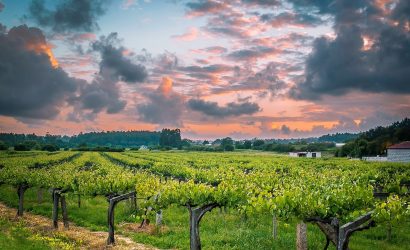
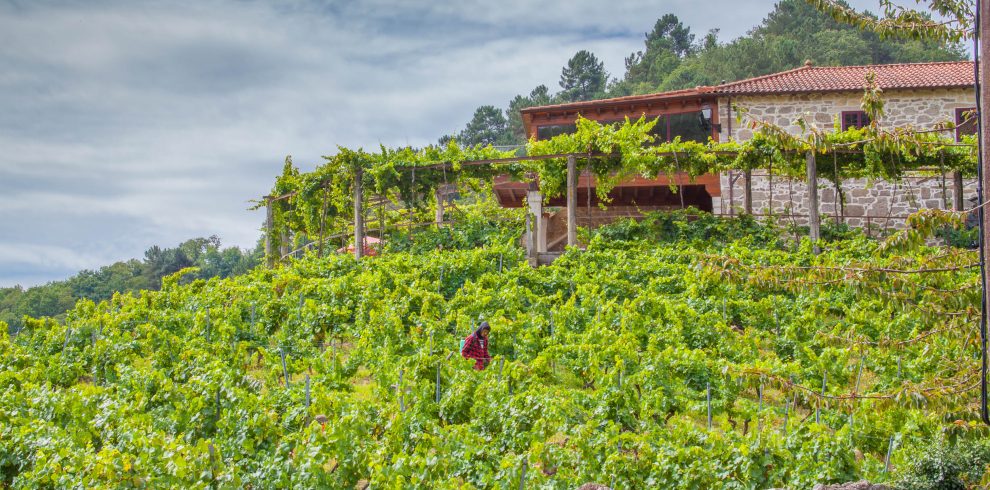
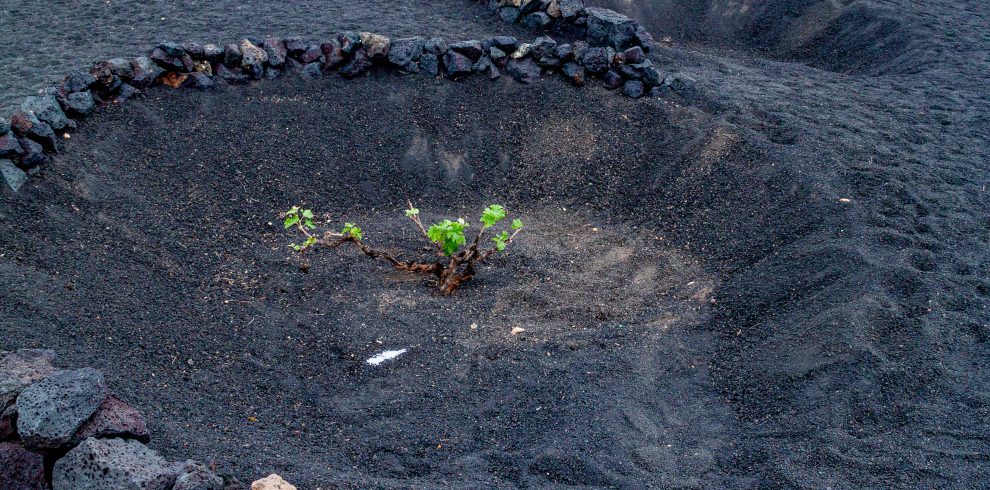
Embark on a voyage through Spain’s renowned appellations of origin, from the coastal allure of Rías Baixas and its exquisite Albariños to the rugged terrain of Ribeira Sacra, where vineyards cling to steep slopes amidst breathtaking canyons. Traverse the diverse terroirs of Valdeorras, Bierzo, Tierra de León, and Cigales, before encountering the world-renowned wines of Ribera del Duero and Rioja. Uncover hidden gems like Arlanza, Navarra, and Txakoli along the way.
This meticulously crafted route stands as the pinnacle of wine tourism in Spain, offering a comprehensive exploration that rivals the finest in the world.
Whether journeying from east to west, from San Sebastian to Santiago de Compostela, or vice versa, this itinerary seamlessly blends wine tasting and gastronomic delights with a tapestry of history and architecture. Encounter architectural marvels, including select works by Gaudí beyond Catalonia, amid breathtaking landscapes and the famed pilgrimage route of the Camino de Santiago.
Guided by experts, each step of the journey is enriched with detailed insights into sites, wines, and gastronomy, ensuring an unforgettable and enriching experience.
We can customise our tours to fit your needs.
Pickup points: Santiago de Compostela or Bilbao. Please notify us if you need to be picked up at another location.
Highlights
- Rias Baixas
- Ribeiro & Ribeira Sacra
- Bierzo & León
- Cigales & Ribera del Duero
- Navarra & Rioja
- Txacolí
Itinerary
Pick up and a brief tour of the city of Bilbao, from where we move to Guetaria to visit one of its interesting wineries, where the famous Txakoli is produced. Later you’ll enjoy its wonderful fish in this well known fishing port, after which, we will start our journey towards Navarre, but not before making a stop at the spectacular viewpoint of the Nervión River, a detour that you will surely appreciate, to then head to Pamplona where we will spend the night and visit the old part of town, well know for the running of the bulls, while enjoying a tapas dinner combined with the local wines.
After visiting the old town of this city, famous for its San Fermín bull runs, I was left with its stories and anecdotes. We will dine in a typical cider house, where we can enjoy its relaxed and friendly atmosphere, and then depart for Logroño.
In our way, we’ll be making a couple of stops to visit the wineries of the D.O. Navarre. We will then continue towards Logroño following the Camino de Santiago, with stops at some of its most interesting points. Check in Logroño, rest, and later take a tour of its famous Laurel street and enjoy its Rioja wines and great tapas. Always in a relaxed atmosphere to fully enjoy the experience.
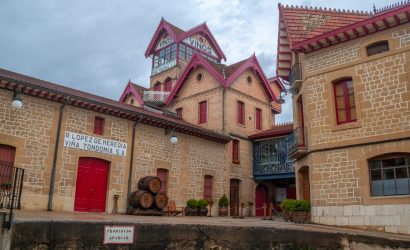
We will make a small tour of the old town of Logroño visiting its cathedral and then explore the most famous wine region of Spain for its Rioja wines, visiting some of its most spectacular and traditional wineries such as Marqués de Riscal or Viña Tondonia in Haro, where we will eat lunch, to later direct our steps towards Laguardia, a beautiful medieval walled town perched on a hill, with spectacular views of the surroundings including the Sierra Cantabra. We will stay in a charming hotel in the town and visit the church of Sta. María de Los Reyes with its spectacular polychrome pórtico. We will have dinner in one of the many cave wineries that are located underneath the town.
On this day, we will head towards Castilian lands following the N-120 to Burgos, passing and stopping in Santo Domingo de la Calzada, where we will visit its wonderful cathedral, also on the Camino de Santiago. Our tour today will be more historical, as we will visit Covarrubias, Santo Domingo de Silos, and a movie location, the Sad Hill cemetery, the filming set of a famous western. Later, we will go to Lerma to visit a winery of the D.O. Arlanza and eat in this pretty town. In the afternoon, we will go to Burgos, where we will spend the night and visit its most important monuments, such as San Pedro de Cardeña, the burial place of the Cid. We will visit the cathedral and have dinner in a typical Burgos restaurant to enjoy the local gastronomy.
Today we will turn south to visit another of the most important wine regions in Spain, La Ribera del Duero. We will visit an important winery in the area, in Peñafiel, where we can admire its wonderful castle. To continue towards another wine area, such as Cigales, and to eat lunch in a winery cave in the area.
Later, we will go to Frómista, an important place on "The Camino", where we can contemplate the Canal de Castilla, the most important work of the Spanish Enlightenment era in the 18th century. In this case, its construction was based on models by Leonardo da Vinci.
We will return to the N-120 route to arrive in the afternoon in León, which obtained in 2018 the title of gastronomic capital of Spain. We’ll spend the night there, and do a walking visit of its streets with buildings such as Gaudí’s house of Botines, and visit its cathedral, famous for its impressive stained glass windows. At night, we will enjoy tapas in the well-known “humid neighbourhood”, filled with bars serving local wines and delicacies.
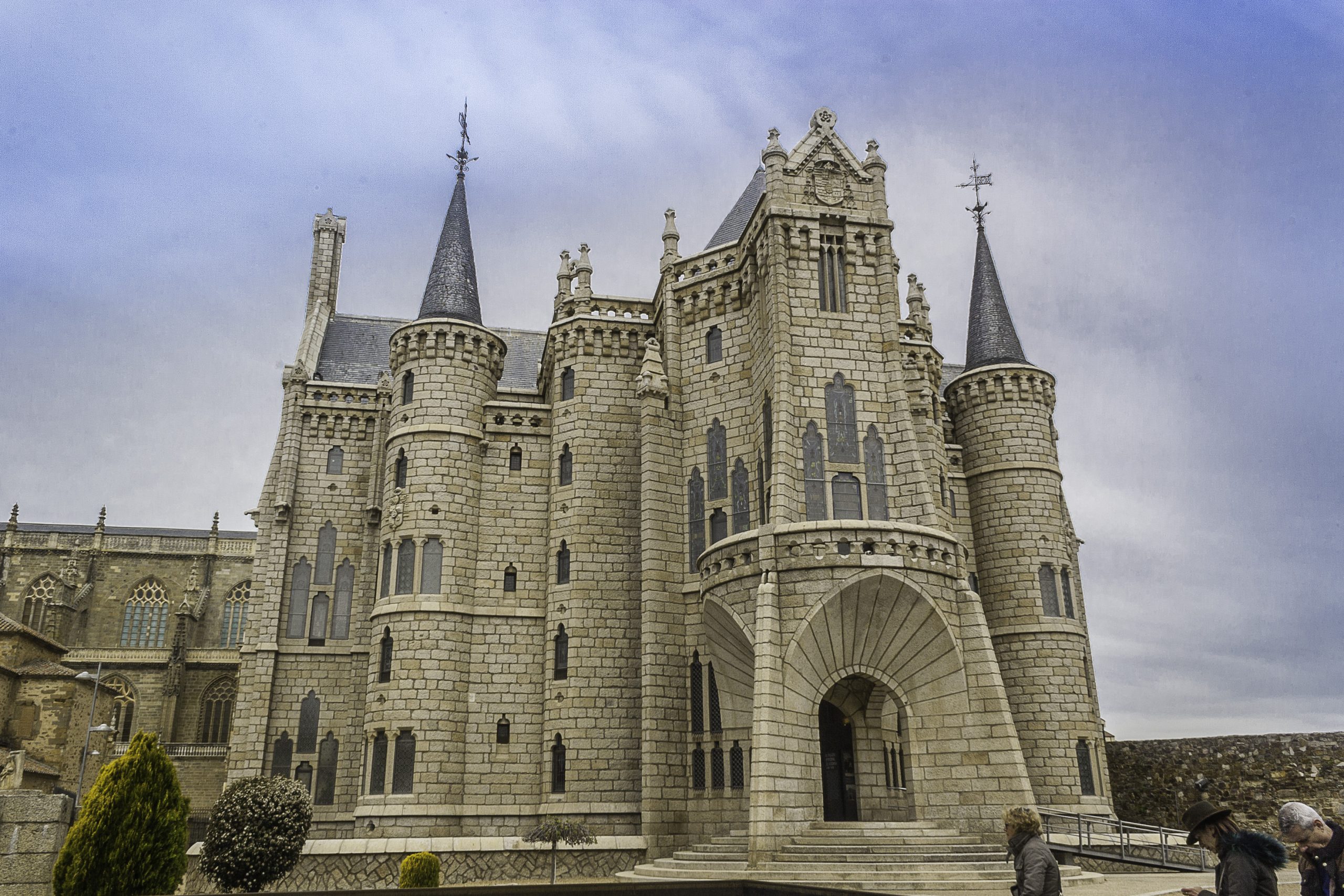
Our tour today will first take us to visit the producing area of the wines of the land of León, so we will go to Valdevimbre, a town filled with cave wineries, with a few very interesting ones and visit a winery where they will show us the elaboration process and have the chance of tasting their wines of the autochthonous varieties, Prieto Picudo and Albarín. Later, we will go to Astorga, an important city from Roman times that also has one of the few splendid buildings by Gaudí, the archepiscopal palace. For lunch, we will head to Castrillo de Los Polvazares, a charming nearby town, and taste a forceful “cocido maragato” before continuing along "The Camino de Santiago" to reach its highest and emblematic point, the Cruz de Ferro. We will follow the “Camino” towards Ponferrada and its Castle, to end the day in Villafranca del Bierzo.
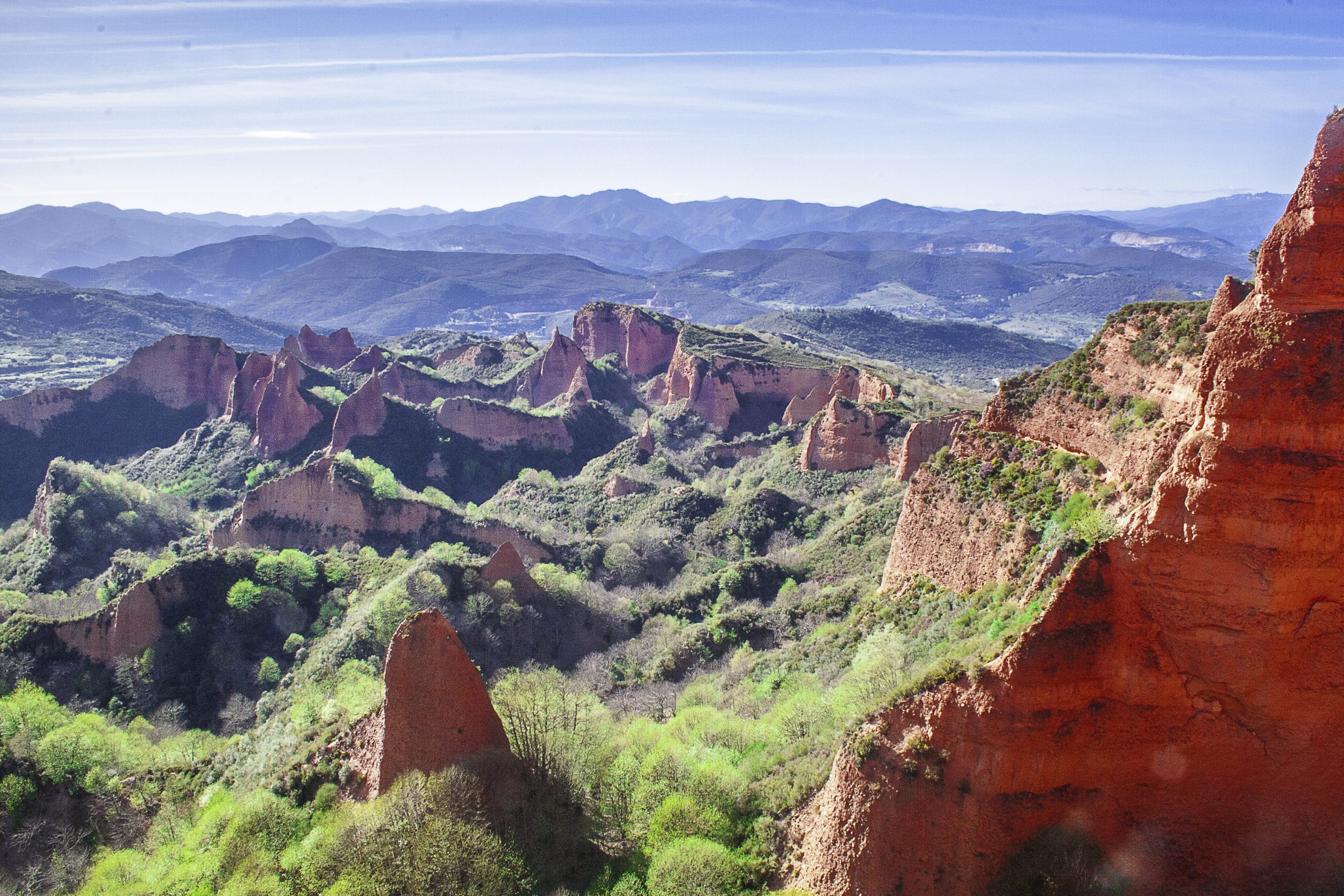
We will visit 2 Denominations of Origin, on this day, Bierzo, and Valdeorras, starting from Villafranca, we will visit a winery in Cacabelos tasting its Mencía and Godello Wines. To later approach the most important Roman open-pit gold mine in the world, and a world heritage site (Las Medulas). Then we will go to the Valdeorras area, also famous for its Mencías and Godellos. There, we will visit one of the most significant wineries and enjoy a meal in the winery itself, accompanied by the winemaker. In the afternoon, we’ll head to Monforte de Lemos, passing through another of the landmarks of Roman engineering, Montefurado. In Monforte, we will visit its most important monuments and spend the night at its Parador / monastery. For dinner, we will go to an attractive restaurant with dishes from the area.
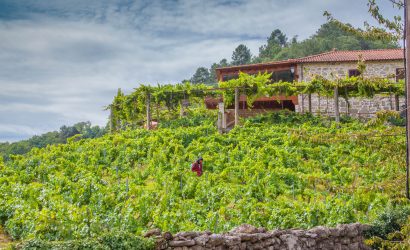
A new day, in which we’ll visit the Ribeira Sacra and its «Heroic Viticulture», will be at the beginning of our day. We will visit some of its wineries and take a catamaran ride through its canyons to enjoy the beautiful landscapes and views. Visit a winery in which its owner will explain the characteristics of this region and let us taste his wines while we eat lunch in the winery, while enjoying the views of the vineyards.
Then we will visit the magnificent monastery of Oseira, and later go to the Ribeiro area, where we will again visit one of its wineries and taste its wines. We will continue to Tuy to spend the night, having dinner in the beautiful walled, neighbouring town of Valença do Minho, in Portugal, just on the other side of the river that gives it its name.
On our 9th day, we will begin our journey along the Miño river, the natural border with Portugal, to reach its mouth, visiting a winery of the D.O. Ribeiro, the oldest in Spain and one of the oldest in the world. Continue towards the Rías Baixas in the Rosal sub-area, where we will visit another cellar and taste the famous Albariño. We will continue to Mount Sta. Tecla to visit the Celtic village remains found in it and enjoy the fantastic views of the Atlantic and Portugal that it has to offer.
The route will continue along the coast, in this case along the Portuguese Way to Santiago, until we reach Oia, to relax with a wonderful lunch in front of the sea. We will continue north, passing and stopping by Bayona, Pontevedra, and Combarro to end the day in Cambados, where we will spend the night and have dinner based on the typical delicacies of the area.
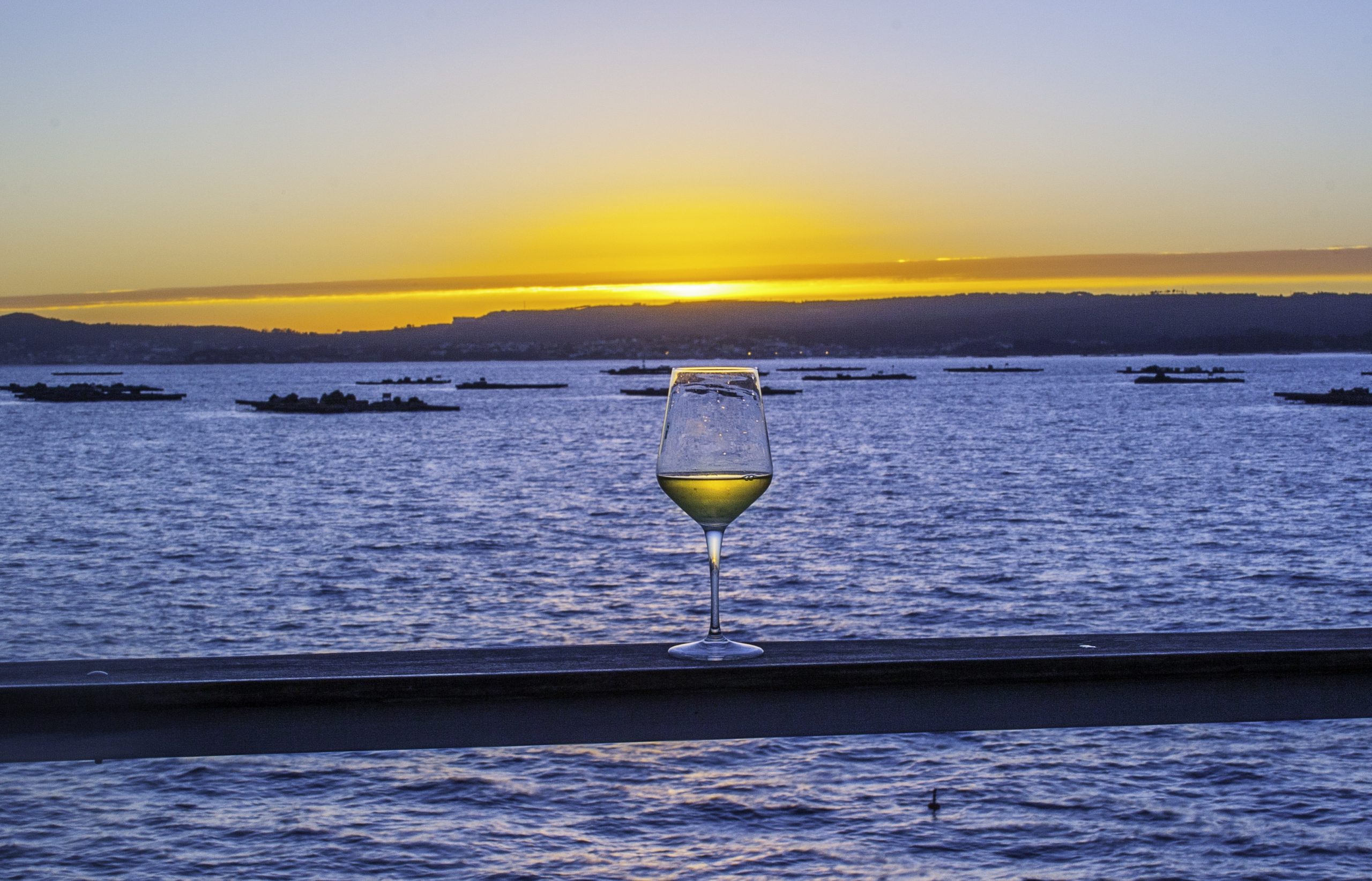
This is our last day, and we will visit a winery in the Valle del Salnés sub-area whose wines are normally made of 100% Albariño grapes, with different elaborations. Later, we will approach the fishing port of the O Grove to embark on a catamaran that will show us the mussel farms while we taste them accompanied by local wines, also visiting the island of La Toja.
For lunch, we will go to the island of Arosa to enjoy a meal based on local products in a wonderful environment. After lunch, we will start our march to Santiago, passing through Padrón and arriving in Santiago, and after touring its streets and monuments, our trip will conclude with a dinner accompanied by the ritual of the “queimada” as the end of our wonderful journey. The next day, you can request a transfer to the airport if need be.
Cost
The Cost Includes
- -. Pickup in either San Sebastian or Santiago depending on where we start also the drop-off would be the same.
- -. Guiding services
- -.Winery Visits
- -. Two meals
- -. Wi-Fi in the car
- -. Phone Charger
- -. Photographic memento of the trip
The Cost Excludes
- -.Travel insurance
- -. Hotels
- -. Most Meals
- -. Transfers
Frequently Asked Questions (FAQs)
Annapurna Base Camp is a Grade B or a moderately difficult trekking route. So any fit person can do this trek, even if you do not have any previous experience. You should be aware of what to expect and mentally prepare for it. Then, as long as you will too, you can.
On average, you walk about 4 to 6 hours per day. One or two days can be as less as 3hrs and one or two days can be as long as 7hrs.
The highest altitude reached is 4190m. This is the elevation of Annapurna Base Camp. ABC is the highest we will climb in this trek.
Yes, you can charge batteries en route. Charger should be brought. There are hot shower facilities as well. You may have to pay a certain amount for both ($1-$2). Negotiate. Also, a hot water facility could be free at a lower elevation.
No. There are no ATMs on this trek route. You will have to draw enough cash in Pokhara or Kathmandu. There are a number of ATMs in these cities. Everything is paid in Nepali rupees. So money should be exchanged before the start of the trek.
Yes. The Internet can be accessed in most places. Sometimes, there might be some technical problems. The Internet in Nepal is not as fast as you are used to and at times you can just lose connection.
Not really. It depends on you. If you want, ABC trekking can be done independently. You could hire a guide and a porter by yourself instead of going through an agency or not hire a guide at all. Although, not having a guide can be a little problematic during the offseason.
It really depends on you. Is it your first time in Nepal? How confident are you of being able to find your way around? How pressed on time are you? If you go through an agency, it will be costlier but everything will be planned. You will only have to come, trek and return.
For the Annapurna region, pay for guides range from $20 to $30 per day and porters take $15 to $25 per day.